
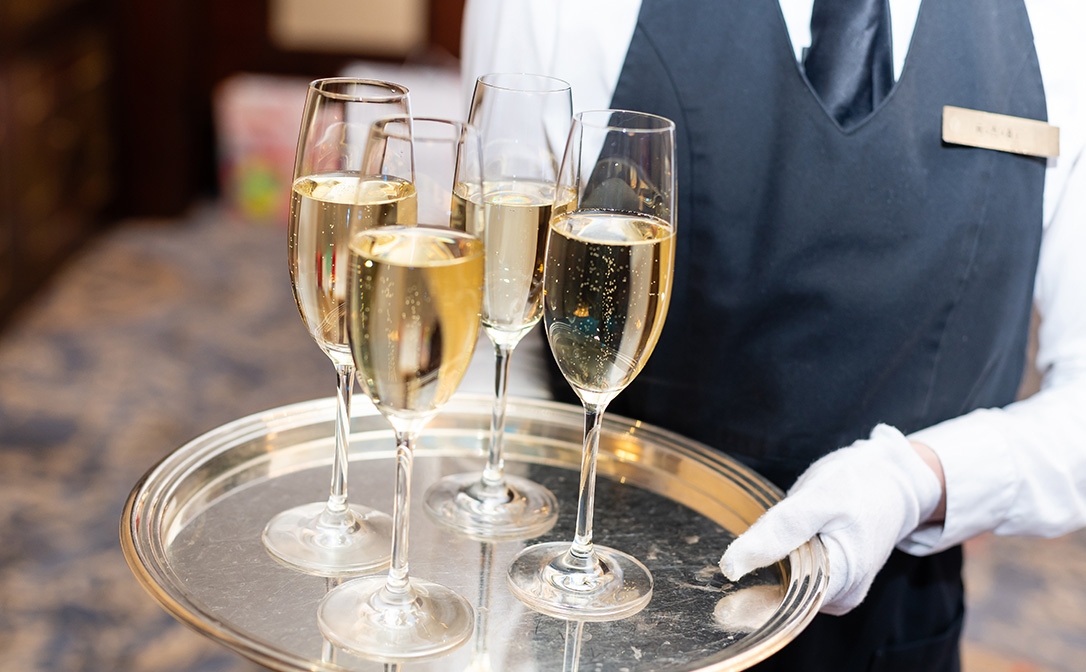
Champagne, with its fizzy bubbles and festive pop music, has transcended its origins to become synonymous with joyful events and celebrations. From toasts at weddings to the stroke of midnight on New Year's Eve, the clink of champagne glasses has become a universal symbol of fun and triumph. It has a rich history and cultural significance that has elevated champagne to the status of a quintessential attribute of celebration.
The origins of elegance
The path of champagne as a celebratory drink can be traced back to its origins in the Champagne region of France. Conceived by the Benedictine monk Dom Perignon in the 17th century, the sparkling wine was initially dubbed the "devil's wine" because of its tendency to ferment in the bottle. However, it didn't take long for its unique qualities to be recognized, and champagne became associated with elegance and sophistication.
Royal approval
In the 18th century, champagne won the favor of European royalty, especially at the French court. The sparkling beverage found its way into the glasses of kings and queens, cementing its status as a drink suitable for royalty. Royal approval brought champagne into the spotlight, shaping its identity as a symbol of luxury and celebration.
Cultural symbolism
Champagne's ascension to cultural symbolism is intertwined with the expression of success, achievement and the celebration of milestones. From the launching of ships to the celebration of triumphs, champagne has become more than just a drink; it has become a ritual of recognition and enjoyment of moments of glory. Its inclusion in cultural traditions has further strengthened its position as an emblem of celebration.
The rise of a tradition
In the 19th century, champagne became a staple drink at social events and gatherings. The tradition of raising a glass of champagne to toast has become ingrained in festive customs, from weddings and anniversaries to New Year's Eve. Its effervescence and light, crisp flavor added a touch of luminosity to every celebration, creating a ritual that has been passed down from generation to generation.
Marketing and global appeal
In the 20th century, the marketing efforts of champagne houses contributed to the global popularity of this effervescent elixir. Associating champagne with glamour, luxury, like a casino game, to which it fits perfectly according to the authors: https://www.boxtoppen.se/nyheter/bestall-champagne-eller-mousserande-vin-nar-man-spelar- casinospel/ and exclusivity, the brands created an appeal that transcended its French origins. Brilliant images and marketing campaigns further pushed champagne into the sphere of must-have accessories for significant celebrations.
Modern trends
In the modern era, champagne has not only retained its appeal, but also adapted to new tastes and trends. From the emergence of rosé champagne to the popularity of champagne cocktails, the drink has proven its versatility while staying true to its essence of celebration. Its inclusion in pop culture, from movies to music, continues to cement its status as the drink of choice for celebrating special moments.
In summary, the evolution of champagne as a celebration attribute is a fascinating journey that spans centuries. From its humble beginnings in the Champagne region to today's global recognition, the fizz of champagne has become intertwined with the very fabric of celebrations around the world. As people continue to clink their glasses and enjoy the delightful bubbles, champagne remains an enduring symbol of joy, triumph and the effervescent spirit of celebration.
More: https://homebasedbuzz.com/art/embracing-nature-s-arena-exploring-professional-outdoor-sports.html