
The Science of Food Pairing
The science of food pairing is a complex and fascinating topic that has garnered significant attention in recent years. It's an art that requires a deep understanding of the chemistry of flavor and the psychology of taste. As chef and food scientist, Heston Blumenthal, once said, "The most important thing in cooking is to have a good understanding of the chemistry of flavor, because that's what makes food taste good." But what exactly is the science behind food pairing, and how do chefs use flavor profiling to create unforgettable dishes?
Understanding Flavor Profiling
Flavor profiling is the process of analyzing the chemical compounds that make up the flavor of a particular ingredient. This involves identifying the individual flavor molecules, such as sugars, acids, and amino acids, and understanding how they interact with each other to create the overall flavor experience. By understanding the flavor profile of an ingredient, chefs can predict how it will interact with other ingredients and create harmonious or contrasting flavors. For example, the sweetness of a ripe tomato can be balanced by the acidity of a squeeze of fresh lemon juice, creating a refreshing and tangy flavor combination.
The Chemistry of Flavor Pairing
The chemistry of flavor pairing is based on the concept of molecular gastronomy, which is the study of the chemical and physical transformations that occur during cooking. This involves understanding the chemical reactions that occur when ingredients are combined, such as the Maillard reaction, which is the chemical reaction between amino acids and reducing sugars that occurs when food is cooked, resulting in the formation of new flavor compounds. As food scientist, Harold McGee, notes, "The Maillard reaction is the most important reaction in cooking, because it's responsible for the formation of the flavor and aroma compounds that make food taste good." By understanding the chemistry of flavor pairing, chefs can create dishes that are not only delicious but also visually appealing and aromatic.
The Role of Umami in Food Pairing
Umami is often referred to as the fifth taste, in addition to sweet, sour, salty, and bitter. It's a savory flavor that is commonly associated with foods that are high in glutamates, such as meats, seafood, and mushrooms. Umami plays a crucial role in food pairing, as it can add depth and complexity to dishes. For example, the umami flavor of a rich beef broth can be balanced by the sweetness of a carrot and the acidity of a splash of red wine vinegar, creating a hearty and satisfying flavor combination. As chef and food writer, Samin Nosrat, notes, "Umami is the glue that holds flavors together, it's what makes food taste rich and satisfying."
Balancing Flavors
Balancing flavors is a critical aspect of food pairing. It involves creating a harmonious balance of sweet, sour, salty, and bitter flavors, as well as umami. This can be achieved by using a variety of techniques, such as contrasting flavors, complementary flavors, and flavor bridging. For example, the sweetness of a ripe mango can be balanced by the sourness of a splash of lime juice, creating a refreshing and tangy flavor combination. In addition to balancing flavors, chefs must also consider the texture and aroma of ingredients, as these can greatly impact the overall flavor experience. For instance, the crunch of a fresh apple can provide a satisfying contrast to the smoothness of a creamy cheese sauce.
Behind the Scenes of Food Pairing
So, how do chefs actually create these complex flavor combinations? It often involves a process of trial and error, as well as a deep understanding of the flavor profiles of individual ingredients. Chefs may use a variety of techniques, such as flavor mapping, to identify the individual flavor molecules in an ingredient and predict how they will interact with other ingredients. They may also use sensory evaluation, such as taste and smell, to evaluate the flavor of a dish and make adjustments as needed. Some chefs even use scientific equipment, such as gas chromatographs, to analyze the chemical composition of ingredients and predict how they will interact with other ingredients. For example, a chef may use a gas chromatograph to analyze the flavor compounds in a particular type of coffee and predict how they will interact with the flavor compounds in a sweet pastry.
The Art of Food Pairing
While the science of food pairing is complex and fascinating, it's also an art that requires creativity and intuition. Chefs must be able to think outside the box and come up with innovative flavor combinations that are both delicious and visually appealing. This can involve experimenting with new ingredients, techniques, and presentation styles, as well as drawing inspiration from different cultures and cuisines. For example, a chef may combine the flavors of a traditional Indian curry with the presentation style of a modern French bistro, creating a unique and exciting flavor experience. As chef and food writer, Yotam Ottolenghi, notes, "Food pairing is an art that requires a deep understanding of flavor, as well as a sense of creativity and adventure." When it comes to creating new dishes, chefs often consider a variety of factors, including the seasonality of ingredients, the dietary restrictions of their customers, and the overall theme or concept of the dish. For instance, a chef may create a summer salad that showcases the fresh flavors of the season, or a vegetarian dish that highlights the rich flavors of plant-based ingredients.
Creating Unforgettable Dishes
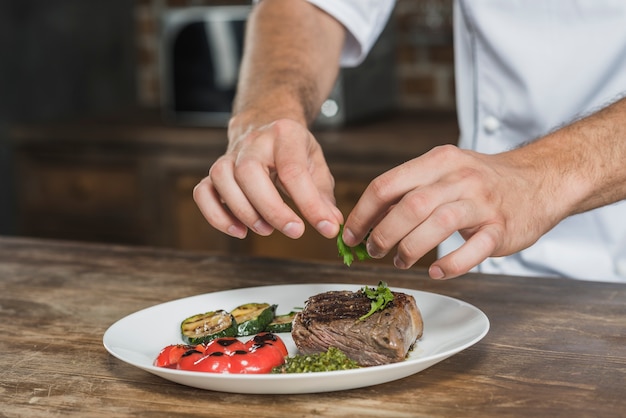
So, what makes a dish truly unforgettable? It's often a combination of factors, including the quality of the ingredients, the technique used to prepare them, and the presentation style. But it's also about creating a flavor experience that is both familiar and innovative, comforting and exciting. As chef and food writer, Dan Barber, notes, "A great dish is one that tells a story, it's a narrative that unfolds on the plate, and it's a reflection of the chef's personality and creativity." When creating new dishes, chefs may draw inspiration from a variety of sources, including their own personal experiences, cultural traditions, and culinary trends. They may also experiment with new ingredients and techniques, such as fermentation or sous vide cooking, to create unique and exciting flavor combinations. For example, a chef may use fermentation to create a tangy and sour flavor profile, or sous vide cooking to achieve a perfectly cooked piece of meat.
The Psychology of Taste
The psychology of taste is a complex and fascinating topic that plays a critical role in food pairing. It involves understanding how our brains process flavor information, and how our emotions and memories influence our perception of taste. For example, the smell of a particular ingredient can evoke a strong emotional response, such as nostalgia or comfort, which can greatly impact our perception of its flavor. As food psychologist, Paul Rozin, notes, "The psychology of taste is closely tied to the psychology of emotion, and it's a critical aspect of the culinary experience." Chefs must consider the psychological impact of their dishes on their customers, creating flavor combinations that are not only delicious but also emotionally resonant. For instance, a chef may create a dish that evokes a sense of comfort and nostalgia, such as a warm and creamy soup, or a dish that is visually stunning and Instagram-worthy.
Flavor Pairing in Practice
So, how do chefs actually apply the principles of flavor pairing in practice? It often involves a combination of techniques, such as flavor mapping, sensory evaluation, and experimentation. Chefs may use a variety of tools, such as flavor wheels and pairing charts, to identify potential flavor combinations and predict how they will interact with each other. They may also use sensory evaluation, such as taste and smell, to evaluate the flavor of a dish and make adjustments as needed. For example, a chef may use a flavor wheel to identify the flavor profile of a particular ingredient, and then use that information to create a harmonious flavor combination. Some chefs even use scientific equipment, such as gas chromatographs, to analyze the chemical composition of ingredients and predict how they will interact with other ingredients. Here are some examples of flavor pairing in practice:
- The sweetness of a ripe mango can be balanced by the sourness of a splash of lime juice, creating a refreshing and tangy flavor combination.
- The umami flavor of a rich beef broth can be balanced by the sweetness of a carrot and the acidity of a splash of red wine vinegar, creating a hearty and satisfying flavor combination.
- The crunch of a fresh apple can provide a satisfying contrast to the smoothness of a creamy cheese sauce.
- The smokiness of a grilled piece of meat can be balanced by the sweetness of a roasted vegetable, creating a complex and savory flavor combination.
Food for Thought and Luck
The art of food pairing is not just about creating delicious dishes, it's also about understanding the psychology of taste and the emotions that come with it. Just like a perfectly balanced flavor can evoke feelings of joy and satisfaction, a winning combination in a game of chance can bring a rush of excitement and euphoria. As we explore the complexities of flavor profiling, we can't help but think of other areas where strategy and luck come together, like the thrill of playing a game that requires skill and chance, and discovering a new favorite game at Starlight Wins slot (Pragmatic Play) can be a great way to experience that thrill. By embracing the unpredictability of life, we can find new ways to appreciate the beauty of food pairing and the excitement of trying our luck, all while exploring new horizons and discovering new passions that bring us joy and fulfillment.
Conclusion
The science of food pairing is a complex and fascinating topic that requires a deep understanding of the chemistry of flavor and the psychology of taste. By understanding the flavor profiles of individual ingredients, and how they interact with each other, chefs can create dishes that are not only delicious but also visually appealing and aromatic. Whether you're a professional chef or a home cook, the principles of food pairing can help you create unforgettable dishes that will leave your customers or family and friends wanting more. So, next time you're in the kitchen, remember to think about the science of food pairing, and how you can use it to create dishes that are truly unforgettable.